
Itawamba County Arrest Records and Court Charges
An arrest record is the account of an arrest. It shows who was taken into custody, the arresting agency, the booking date, and the early charge listed at booking. In Itawamba County, that record starts with the Sheriff's Department and the county detention center. Booking does not decide guilt. It only logs the arrest and the reason given for it. The court charge record begins later. A prosecutor with the First Circuit District Attorney's office, led by District Attorney Jason D. Herring, reviews the arrest and decides which formal charges to file. Once filed with the court clerk, those charges become the charge record that follows the case.
The two records answer different questions. The arrest and booking side shows custody status: who is held, when they were booked, and the bond set. That detail sits in the jail roster on the Itawamba County inmate records page. The court charge record shows what the state formally accused the person of doing. It lists each charge, its statute, its level, and its current status. Court charges after arrest can change as a case moves. The full case file with pleas, disposition, and sentence is tracked through the Itawamba County criminal court records. The charge record is the bridge between the arrest and that outcome.
How to Find Itawamba County Arrest Records and Charges
Charges and their status show up in the court case file, not in a single arrest database. The statewide tool is Mississippi Electronic Courts, viewed by the public through the subscriber portal PAMEC. Felony and civil circuit cases route through the Itawamba County Circuit Clerk, who keeps the general court docket where pleas and indictments are entered. Misdemeanor charges, bonds, and warrants often start in Justice Court. Booking-level charge detail sits in the jail roster instead. The right starting point depends on the charge and the court that holds it.
- Open the court case search through the PAMEC registration page and create a non-attorney account.
- Search by the defendant's full name, or by a case number if one is known.
- Open the case and read the list of charges filed against the person.
- Check each charge for its statute code, its level, and its current status.
State-level tools fill the gaps. After a person is sentenced and transferred to state custody, the charge and inmate record moves to the Mississippi Department of Corrections. The agency lets anyone look up a state prisoner by name or ID. The MDOC inmate search is the place to confirm a sentenced charge once a case has left county hands.
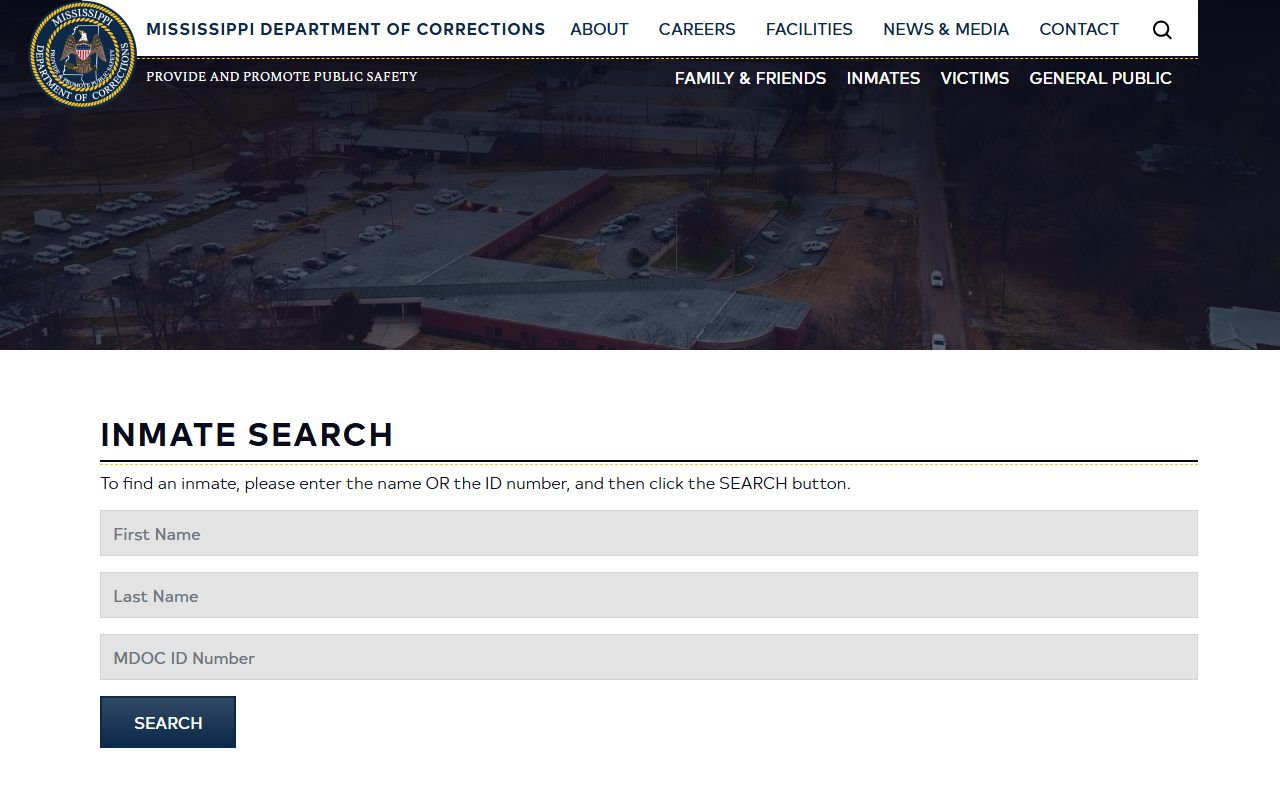
The tool returns the inmate's name, ID number, and the offense that put them in state custody.
Charge Details in the Itawamba County Jail Roster
The Itawamba County Detention Center roster carries its own charge view. When a person is booked, the roster profile lists the charges entered at intake. This is the booking side of the arrest record, not the court's final word. The Itawamba County Detention Center roster shows each charge line with four fields.
| Field | What It Shows |
|---|---|
| Description | The offense as written at booking, such as a hold or detainer. |
| Charge Type | The level of the charge, for example felony or misdemeanor. |
| Bond Amount | The dollar amount set for release, or $0.00 when none applies. |
| Fine Amount | Any fine listed with the charge, often $0.00 at the booking stage. |
The roster charge table is a custody snapshot. It can show a hold or a detainer for another agency rather than a final charge. For the live roster, booking dates, and the recently booked or released tabs, the Itawamba County inmate records page is the better tool. The same roster also links out to the jail's commissary service. The Tiger Commissary service page for the Itawamba County Jail handles web deposits and commissary orders for people in custody.

It is a custody-side tool, separate from the court charge record, and it confirms the facility tied to a booking.
How Charges Get Filed After an Arrest: Complaint, Information, and Indictment
The court charge record formally begins when a charging document is filed. The arrest and booking come first. Then the state puts the accusation in writing. Mississippi uses three main charging documents. The one used depends on how serious the offense is and which court handles it.
| Complaint | Information | Indictment | |
|---|---|---|---|
| Filed By | Officer / Prosecutor | Prosecutor | Grand Jury |
| Common For | Misdemeanors | Many felonies | Serious felonies |
| Starts | The case | The case | The case |
A complaint or affidavit often starts a misdemeanor or an early case in Itawamba County Justice Court, where judges can set bond and issue warrants. Felonies are usually presented to a grand jury, which returns an indictment that moves the case into Circuit Court. A prosecutor may also file by information in some matters. Each path opens a court case and starts the charge record that the clerk then tracks.
Charge Status in Itawamba County Cases
Charges rarely stay frozen. As a case moves, the state may amend, reduce, add, or drop them. A charge filed at arrest can look very different by the time a case closes. Reading the status tells you where each charge stands right now.
| Status | What It Means |
|---|---|
| Pending | The charge is filed and active, with no final outcome yet. |
| Amended / Reduced | The charge was changed, often to a lesser offense. |
| Dismissed | The court ended the charge, and it is no longer pursued. |
| Nolle Prosequi | The prosecutor chose to drop the charge before trial. |
Dropped and dismissed charges still leave a trail. The court file keeps the history even when a charge ends without a conviction. A reduced charge shows both the original count and the lesser one. That is why the charge record and the arrest record can list different offenses for the same person. The booking entry reflects the arrest, while the court entry reflects what the prosecutor pursued.
Note: A dropped or dismissed charge is not the same as an expunged one, and it can still appear in a court search until a judge orders it removed.
Charges vs. Convictions
Being charged is not the same as being convicted. A charge is an accusation. A conviction is a finding of guilt by plea or verdict. Many charges never become convictions. They get reduced, dismissed, or end in acquittal. The difference matters for anyone reading a record.
| Charge | Conviction | |
|---|---|---|
| Stage | Accusation | Verdict or plea |
| Burden of Proof | Probable cause | Beyond reasonable doubt |
| Public Record | Yes | Yes |
Sealed vs. Expunged Records
Some charges leave the public file entirely. Mississippi law lets certain records be sealed or expunged. The two are not identical. Sealing hides a record from general view. Expunction goes further and treats the matter as though it never happened.
| Sealed | Expunged | |
|---|---|---|
| Visibility | Hidden from public | Treated as never existed |
| Law Enforcement | Limited access | Very limited |
| Eligibility | Set by statute or court order for limited categories | Qualifying misdemeanors, some felonies, and arrests ending in dismissal or acquittal |
Expunction is court-driven, not automatic. A person cannot clear an Itawamba arrest by asking a website to remove it. The petition goes to the court that handled the matter. The Mississippi expunction statute lists which convictions and dismissed cases may qualify. Violent crimes, sex-offense registrations, and some listed felonies are excluded. The clerk, prosecutor, or counsel can confirm whether a specific charge is eligible.
Itawamba County Charge Codes and Severity Levels
Every charge ties back to a statute. The charging document names the code section the state says was broken. That code sets the level of the offense. Mississippi sorts crimes into felonies, misdemeanors, and lesser violations. A felony carries the heaviest exposure, often more than a year of possible incarceration. A misdemeanor is less serious. One arrest can produce several separate charges, each with its own code and level.
The level shapes which court hears the case. Felony charges move to Circuit Court, where indictments, pleas, and sentencing are docketed. Misdemeanor and traffic charges usually stay in Justice Court or a municipal court. The jail roster lists a charge type at booking, but the court file is where the final code and level are set. Reading both gives the clearest picture of what a person actually faces.
Note: A single booking can list a hold or detainer instead of a charge, which means another agency, not Itawamba County, filed the underlying case.
Statewide Charge Lookups for Itawamba County
County charges do not stay only at the county level. Once a person is sentenced, the charge and custody record rolls up to the Mississippi Department of Corrections. The agency runs public search tools for state prisoners and for people released on supervision. These are the statewide windows into a charge after it leaves Itawamba County.
Supervised release shows up in its own tool. The MDOC parolee search lets the public look up a parolee by name, ID, city, or county.
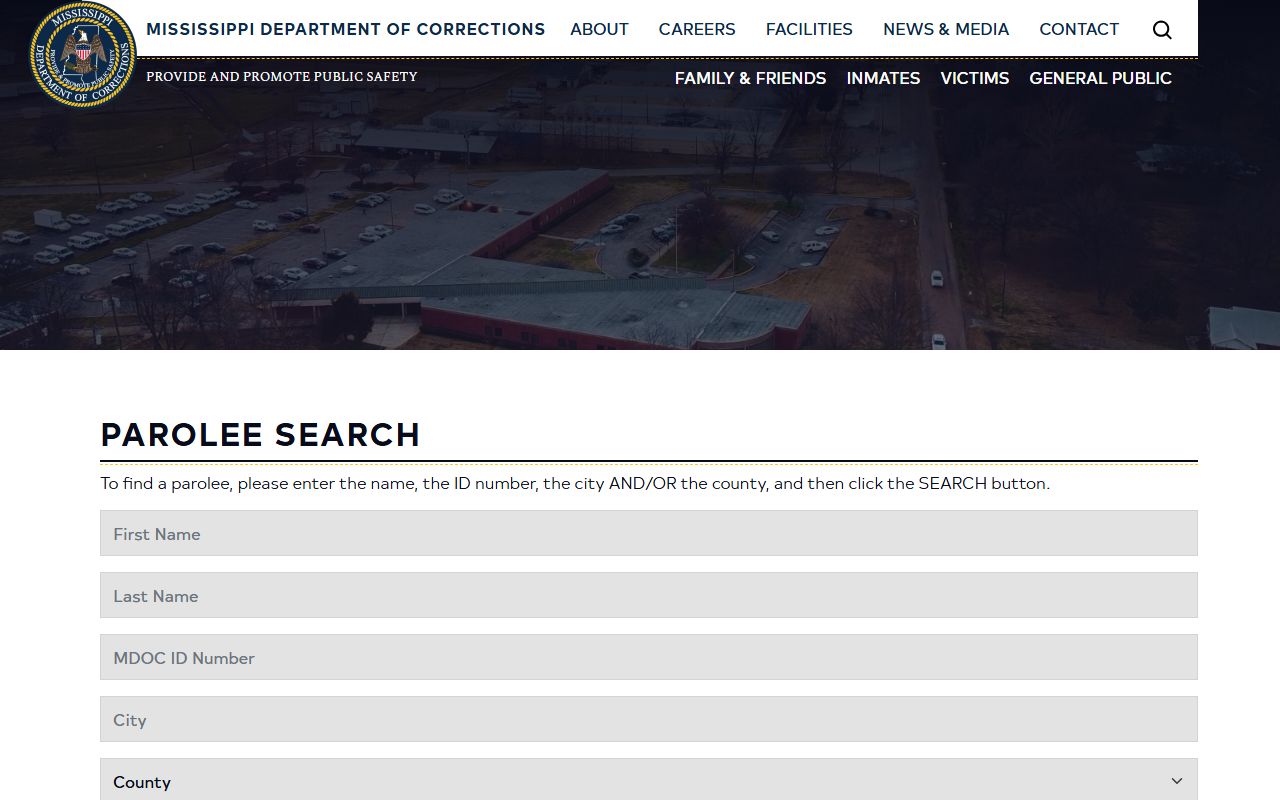
It is useful when a charge ended in a sentence and the person now lives under state supervision rather than in custody.
Some charge and inmate details are not in any search box. They require a written request. The MDOC public records page explains that inmate and public-records requests must be made in writing and are not taken by phone.
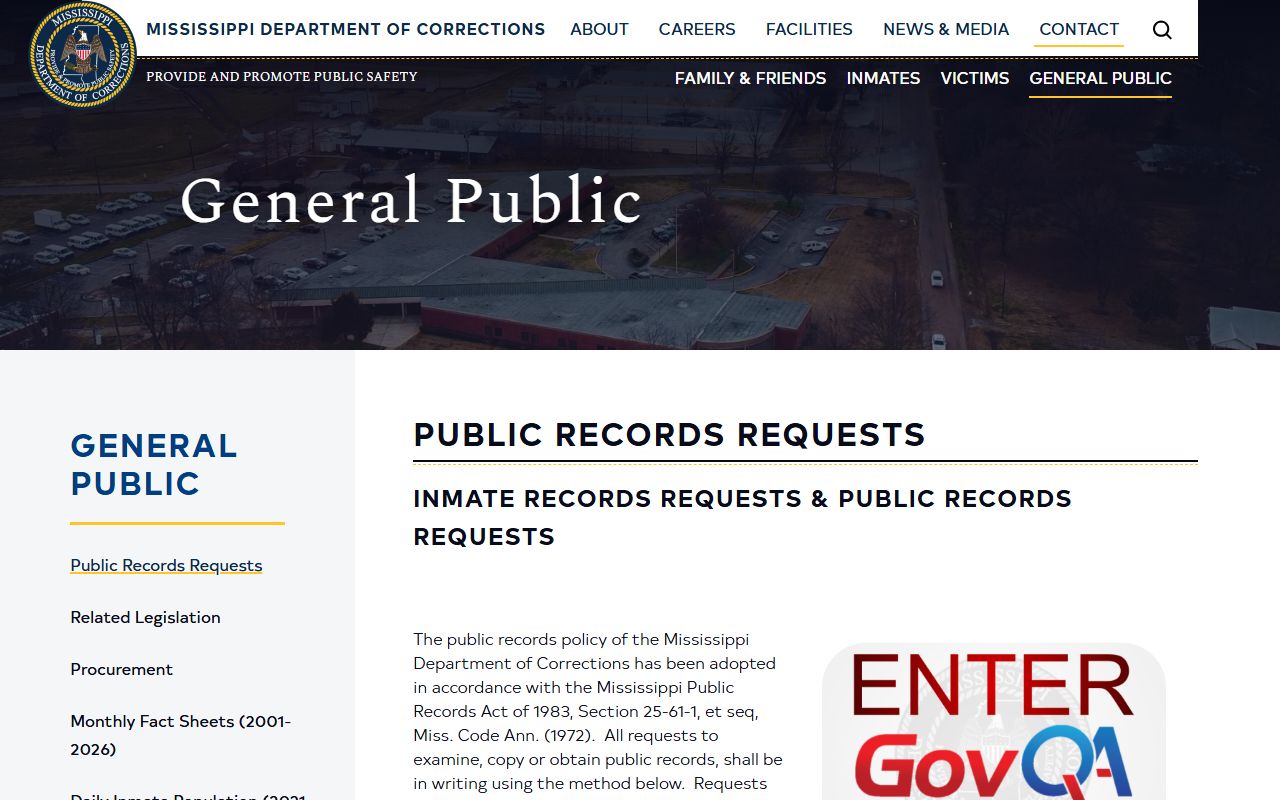
That formal route covers state-level records that the online searches do not display.
Background Check Considerations
A casual name search is not a background check. Formal background checks follow the federal Fair Credit Reporting Act and use regulated screening companies. A quick look at a court index or jail roster does not meet that standard. It can miss sealed charges, mix up people with similar names, or show a charge that was later dropped.
For official state record requests, the records department has its own contact line. The MDOC contact page lists the records department address, phone, and email for written requests.
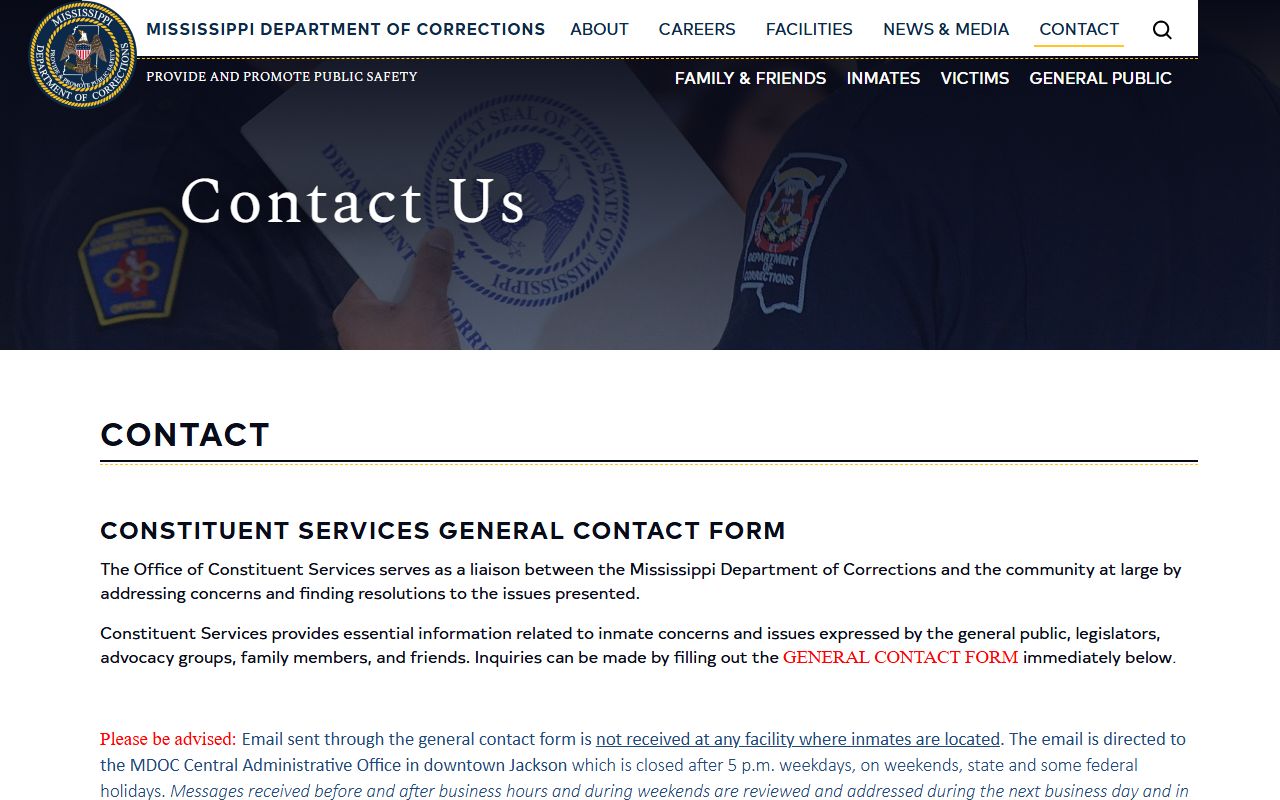
Going to the source office is the safest way to confirm a charge before relying on it for any decision.
Important: Arrest and charge records pulled from public sources are not consumer reports under the FCRA, and they may not be used for employment, tenant, credit, or other regulated screening.
Restricted Charge Records in Itawamba County
Not every charge record is open. Mississippi shields several categories from public search. Juvenile charges handled in Youth Court are controlled by Miss. Code section 43-21-255 and are not ordinary public files. Sealed and expunged charges drop out of public results once a court orders it. Adoption and mental-health matters are confidential by statute. Active investigations may be withheld until a case is filed.
Dismissed charges sometimes stay visible until expunged. Personal details get redacted in most files. Social Security numbers, financial account numbers, and minor names are commonly removed. For anything restricted, the clerk or the court that handled the case is the right contact. The county also answers formal public-records requests under the Mississippi Public Records Act through the Itawamba County Chancery Clerk.
Note: A name match in a public index is not proof of identity, so confirm a charge with the Circuit Clerk or the court of record before acting on it.